

Can I be asleep for dental work?
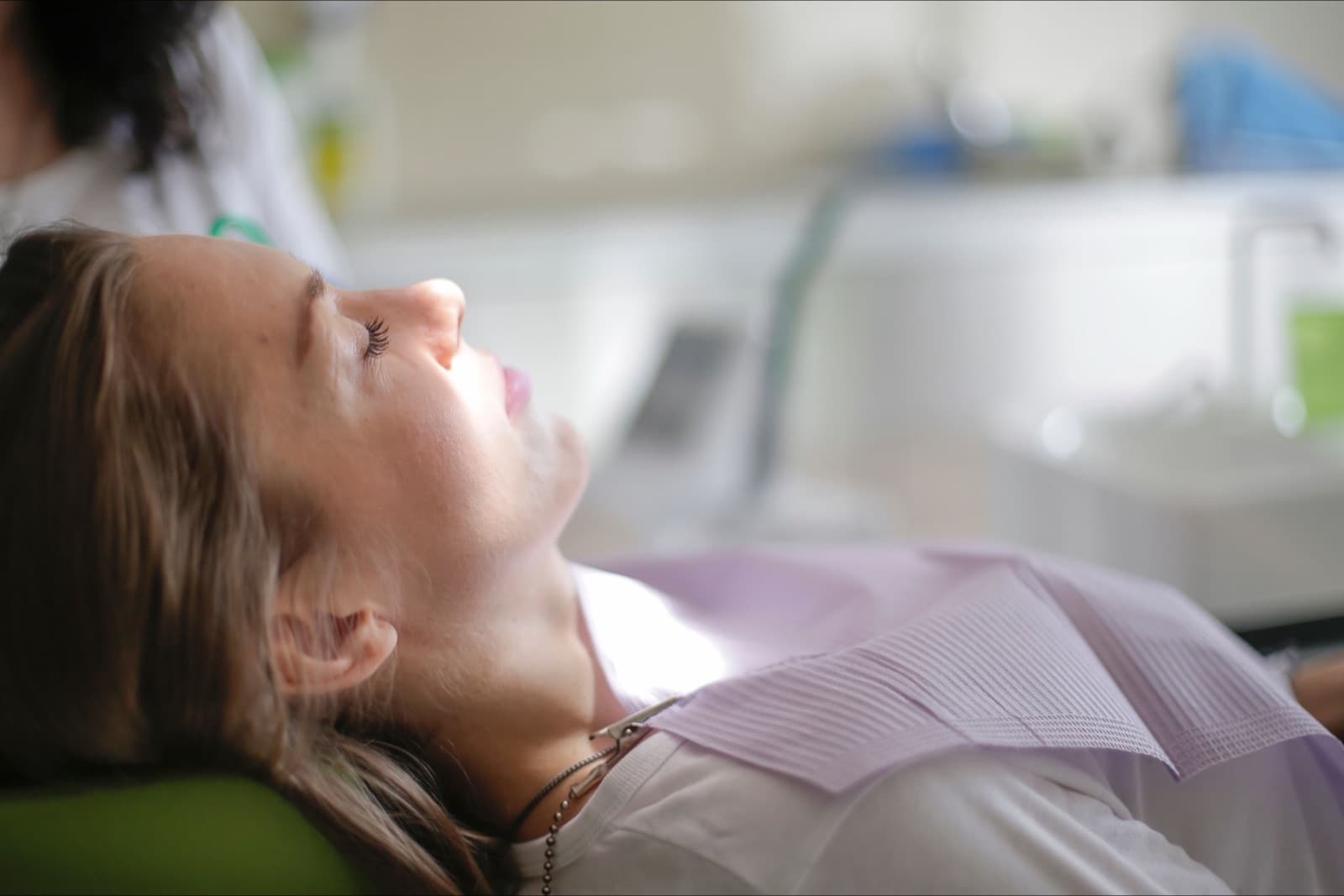
With IV sedation here, many patients are so comfortable that they remember little or none of the procedure. Nitrous oxide and oral sedation are the other two levels offered, and Dr. Orr gives the IV sedation himself.
What are the levels of sedation?
The American Dental Association says sedation may involve gases that are inhaled, pills that are taken or medicine that is injected. Here that means three: nitrous oxide, oral sedation and IV sedation.
The ADA’s sedation guidelines define two of the levels dentists work at. Minimal sedation is “a minimally depressed level of consciousness” that “retains the patient’s normal response to verbal command.” Moderate sedation is “a drug-induced depression of consciousness during which patients respond purposefully to verbal commands, either alone or accompanied by light tactile stimulation.”
What does each level feel like?
Sedation works alongside numbing, not instead of it. The sedative handles the anxiety and the awareness, and local anesthetic still handles the pain.
Nitrous oxide
A gas you breathe in.
- You stay awake and aware.
- You remember the appointment.
Oral sedation
A pill you take.
- It leaves you drowsy.
- You usually remember very little, and often nothing.
IV sedation
Medicine given through a vein.
- Many patients are so comfortable that they remember little or none of the procedure.
- Dr. Orr gives it himself.
Can I ask to be asleep?
Yes. Say so when you call, and say what worries you about the appointment. IV sedation is the deepest level offered, and whether it is the right level for you depends on your health and how much work is needed.
The dentist decides that with you at the consultation, and if a different level suits the work better, we will explain why.
Who gives the sedation?
The ADA says sedation “may be administered by a qualified dentist or another independently qualified anesthesia healthcare provider, in accordance with state laws, rules and/or regulations.”
Dr. Orr holds the Tennessee Board of Dentistry’s permit for Comprehensive Conscious Sedation, and he gives IV sedation himself. His Advanced Education in General Dentistry residency with the U.S. Air Force included training in intravenous conscious sedation.
Is sedation safe?
For most healthy patients, yes. The safeguards are the training, the monitoring and the medical history you go through beforehand, rather than the drug itself.
Some conditions do raise the risk, which is why the consultation covers your full medical history and the medications you take. Tell the office about every health condition and everything you take, even if it seems unrelated to your teeth.
Who is sedation for?
Fear is the usual reason. DOCS Education, which provides sedation education to dentists and where Dr. Orr keeps his training current, says it is committed to helping dentists “interrupt the cycle of fear that results in oral health neglect.”
Long appointments, extractions and implant work, including full-arch implant dentures, are other reasons patients ask for it. The ADA says more complex treatments may require deeper sedation to relieve both pain and anxiety.
Sedation is for patients 13 and over. We do not sedate children under 13. Whether it is appropriate for you depends on your health and how much work is needed.
What happens on the day?
After nitrous oxide you can drive yourself home, because it clears within minutes of the mask coming off. After oral or IV sedation you need someone to drive you home and stay with you for a few hours, so arrange the ride ahead of time.
What to do before the appointment, including eating and your usual medicines, is something to ask the office when you call. So is how long you should plan to rest afterward, which depends on the level you have.
Next step
If fear has kept you out of the dental chair, call the office and say so. We will talk through which level fits the work you need.