

Why do I get tooth problems if I am doing everything right?
Brushing and flossing deal with plaque, and plaque is only one of the things that affect your teeth and gums. Dry mouth, how often you eat, tooth shape and general health matter too.
Brushing well is necessary, and not the whole story
Brushing and flossing remove plaque, the soft film of bacteria that builds up on teeth every day. Plaque is one cause of tooth and gum trouble, and there are others.
Two people can clean their teeth the same way and end up with different results. The difference can sit in something the toothbrush does not reach: the spaces between teeth, the chemistry of the mouth, the shape of the teeth, or the rest of the body.
What brushing does not control
Eight things besides brushing
How much saliva you make
The American Dental Association says saliva neutralizes acids produced by bacteria in the mouth. A dry mouth is a common side effect of many medications, and it can raise the risk of cavities and gum trouble even with good cleaning.
How often you eat and sip
According to the American Dental Association, how often you eat and sip matters, not just how much. Sipping a sweet or acidic drink through the day is one example.
The shape and make-up of your teeth
Deep grooves, tight contacts between teeth, crowding and thinner enamel all make decay more likely in a particular spot. Some of this runs in families.
Where the gums sit
When gums recede, the root of the tooth is exposed. Roots are softer than enamel and decay more easily. The American Dental Association says brushing too hard can damage teeth and irritate gums. Gum disease can also cause gums to recede.
Grinding and clenching
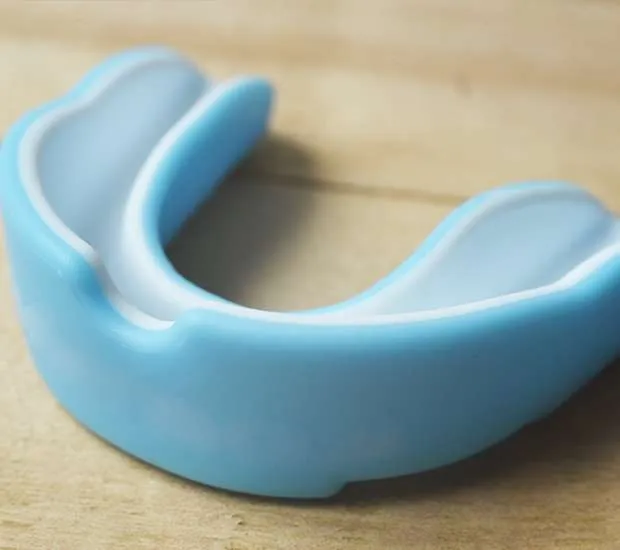
Pressure on the teeth, often at night, can wear and crack them without any plaque being involved.
Acid from inside the body
Acid reflux and frequent vomiting bring stomach acid into the mouth, which can wear enamel away.
Your general health and tobacco
Conditions such as diabetes can make gum disease harder to control, and smoking and other tobacco use affect gum health and healing.
The edges of older dental work
A worn filling or crown can leave a margin where plaque collects and decay starts underneath.
What brushing cannot remove
Plaque that stays on the teeth hardens into tartar, also called calculus. Tartar is firmly attached, and brushing and flossing do not remove it, however carefully you do them. It is cleaned off with instruments at a dental cleaning.
Technique plays a part too. A hygienist can show you what you miss.
What the dentist can check
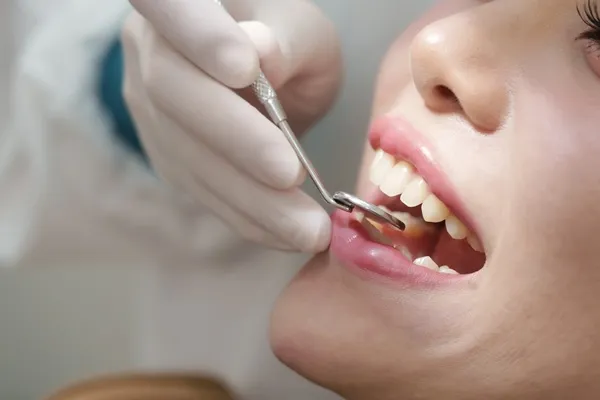
Tell the dentist what keeps happening. Cavities in the same place, gums that bleed, a tooth that is sensitive, a dry mouth: each points somewhere different. Bring a list of your medications, including ones that seem unrelated to your teeth, and mention anything you sip through the day.
An exam with x-rays can find trouble at the stage where it is smallest.
Next step
If you keep getting the same problem despite a good routine, call the office. An exam is the way to find out which of these applies to you. We also offer oral microbiome (oral flora) care.