
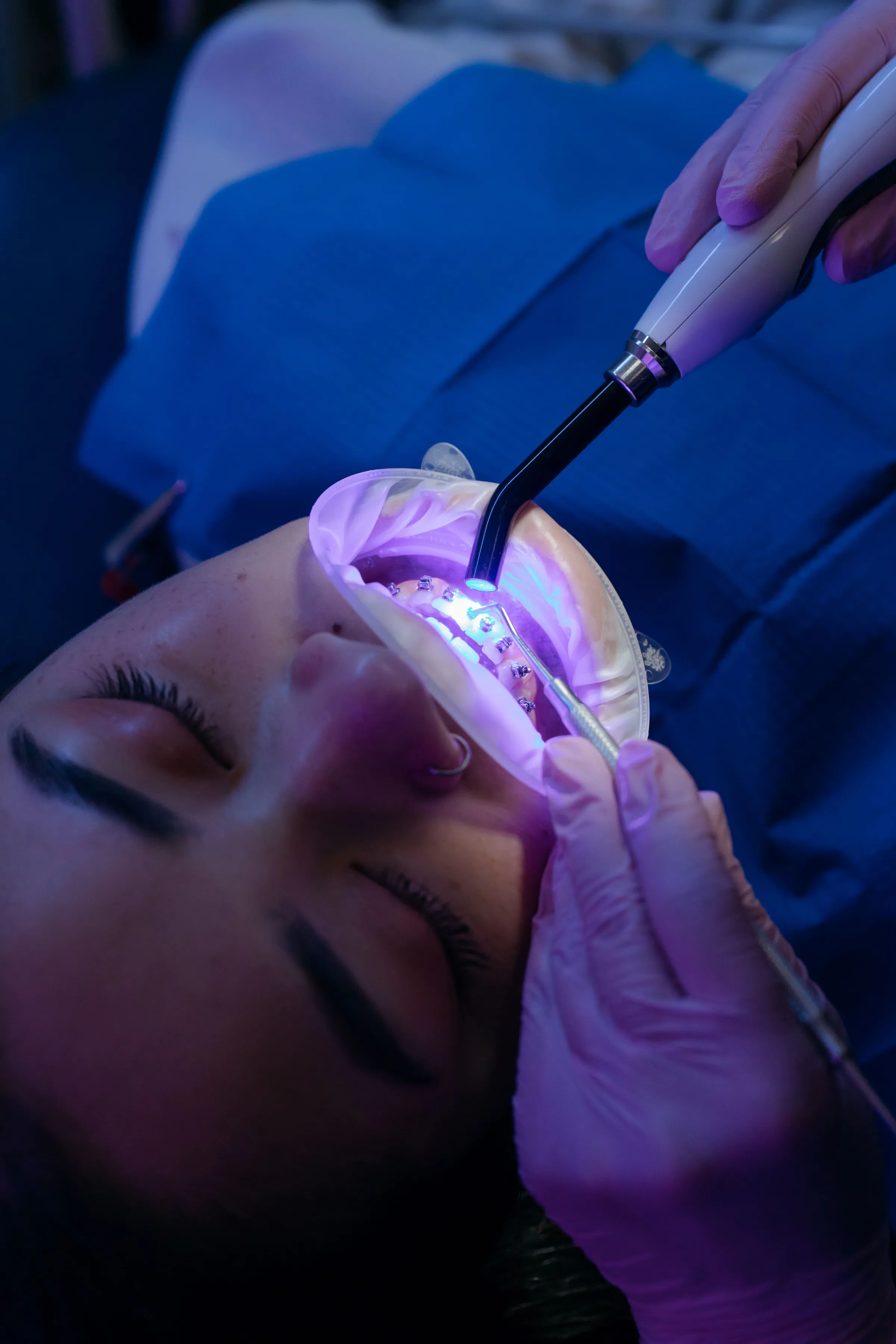
Gum disease, and the LANAP laser
Gum disease is treated here, and one of the ways is LANAP, a laser protocol that uses a Millennium Nd:YAG laser.
Whether LANAP is the right treatment for your gums is decided at an exam.


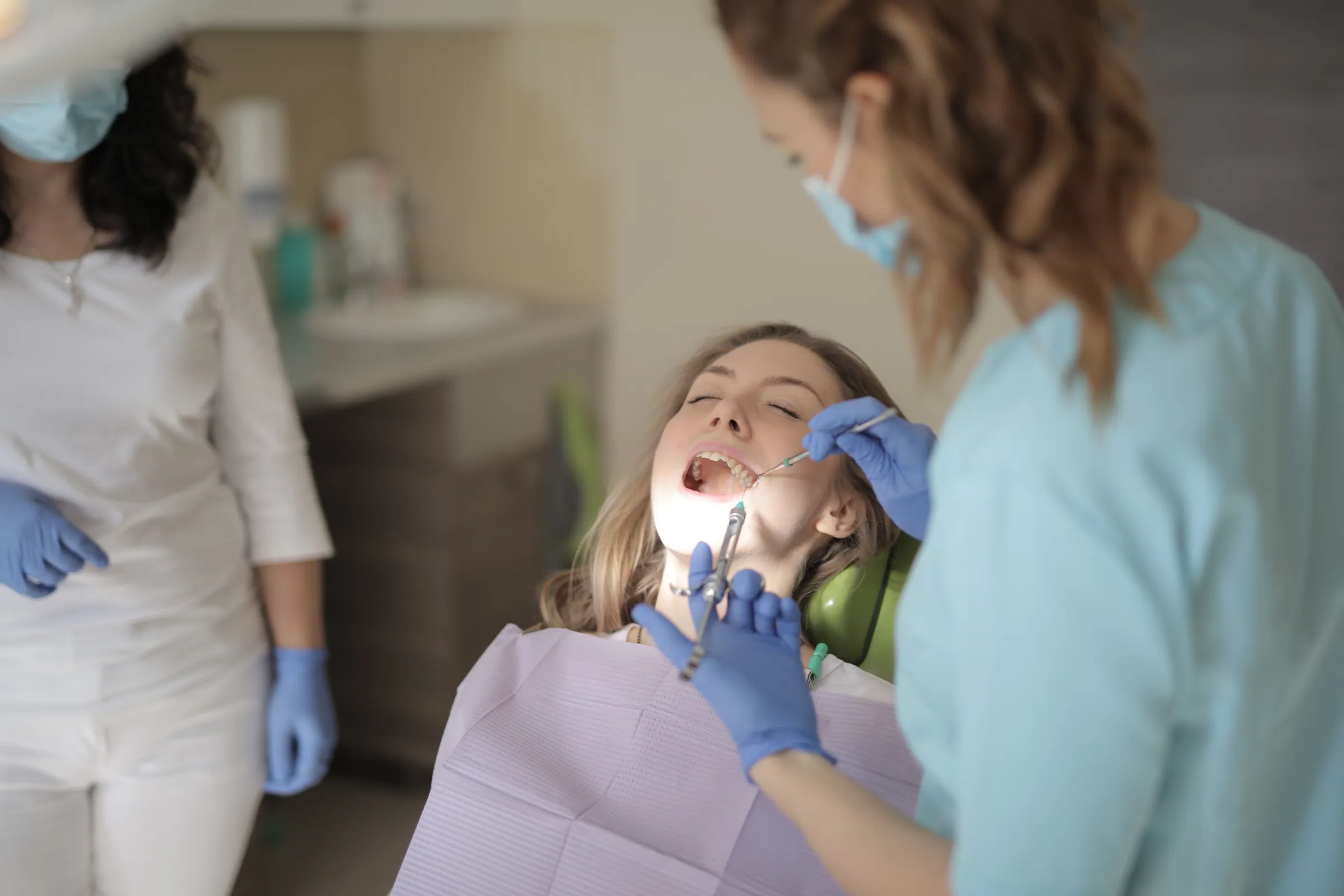
A visit starts with someone looking at your teeth and gums and telling you what they see. You decide what happens next, whether your last visit was six months or six years ago.
Serving Winchester since 2011
In Winchester, TN, open Monday to Friday.
Nitrous oxide available
One of the sedation options offered here, for anyone who dreads the chair.
Oral cancer screening offered
Fillings and gum-disease treatment are done here too, in the same office.
A visit is a small team, and each person has a job you will notice.
Does the cleaning, and is usually the person you spend the most of the visit with. A good one to ask about brushing and flossing.
Works beside the dentist, gets you settled and ready, and handles the details while treatment is under way.
Answers when you call and finds you a time, and is who you see again on your way out.
Examines your teeth and gums, explains what they find, and does the treatment if any is needed.
In the order they happen. The x-rays are the only step that is not every time.
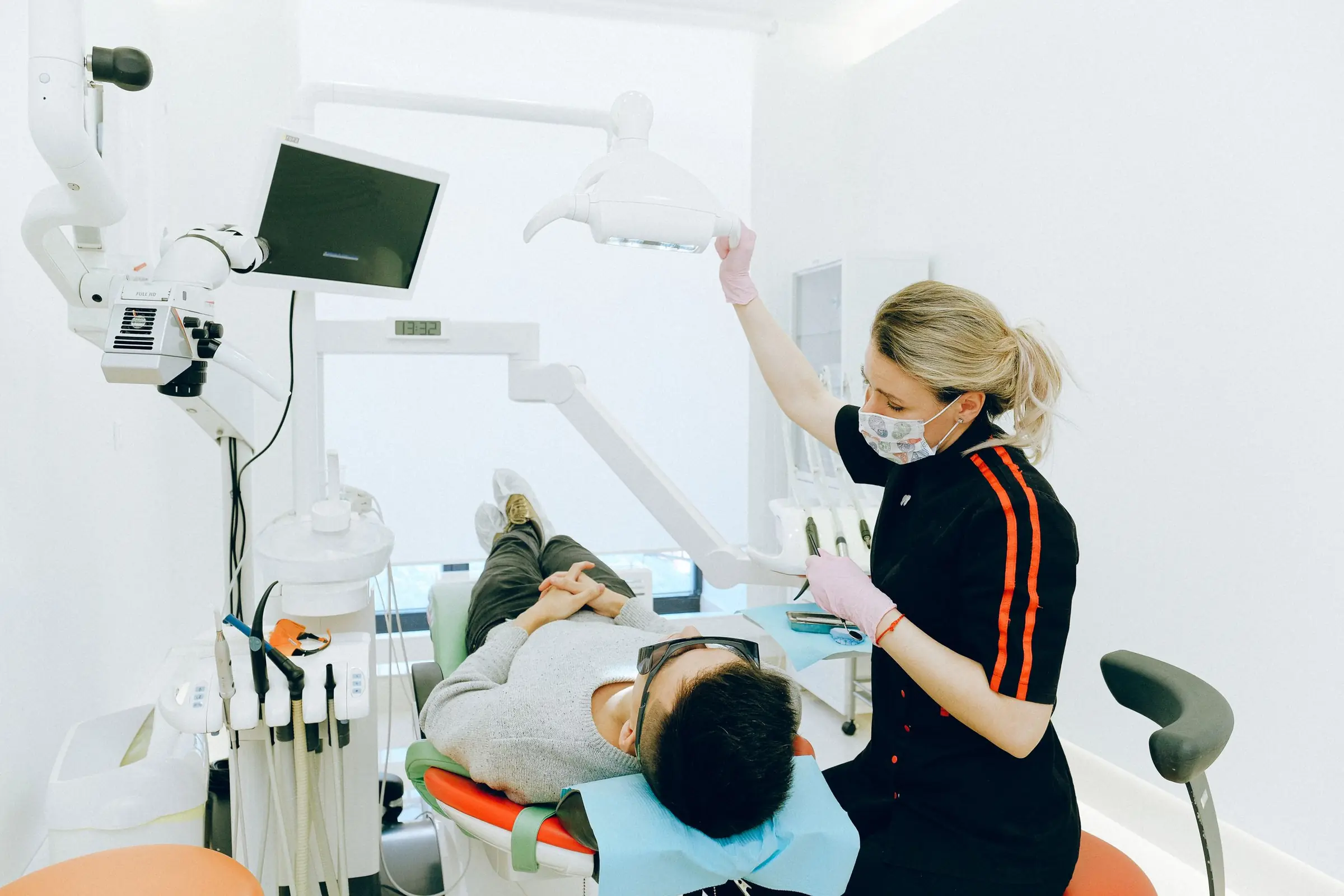
A few minutes to update your health history and mention anything that has been bothering you, or anything that makes you nervous.
Images of the roots and the bone beneath the gum, which cannot be seen from the chair. Not every visit needs them; whether yours does depends on when you last had a set and what your dentist is keeping an eye on.
Plaque and tartar come off above and below the gumline, the teeth are polished, and you hear how your home care is doing.
The dentist checks each tooth for decay and cracks, the gums for signs of disease, and the soft tissues of the mouth, which is how oral cancer screening is done.
If anything needs treatment, you hear what it is, why, and in what order before anything is scheduled. If nothing does, you leave with a date for the next checkup.
A checkup is the first appointment, not the only one. A checkup can lead to these, or sit alongside them.
A look at the soft tissues of the mouth, the tongue, cheeks, lips and throat, for anything that has changed since last time. There is nothing to prepare for. Screening is offered here.
A cavity found at a checkup is usually a small filling rather than a large repair, which is most of the case for coming in before anything hurts. Fillings are done here, in the same office as the checkup.
A sealant is a thin plastic coating bonded to the chewing surface of a back tooth, where the grooves catch food and plaque. It sits on top of brushing and flossing, not in place of them. Children and adults can both have them, and they are checked at regular visits in case one has chipped or worn.
A foam, gel or solution put on the teeth to strengthen the enamel and help guard against cavities. Which form is used depends on your age and what the treatment is for. It is another layer of protection beside brushing, flossing and sealants.
Twice a year is the usual rhythm, but there is no single right number: some mouths need a visit more often, some less. Your dentist works out yours from what they see, and tells you.
Bleeding, swollen or receding gums are what gum disease looks like early, and a checkup is where it is usually first noticed. Periodontal treatment is done here, including a laser protocol called LANAP.
Gum disease treatment and LANAPFluoride-free and homeopathic options are available. Microbiome and oral-flora biologic modification are offered too. If either interests you, ask when you call, and say so at your visit.
Tell us when you call and again when you arrive, so the hygienist knows before the cleaning starts. We have weighted blankets if you would like one. And if you need more than that, sedation is available: nitrous oxide, oral or IV, for patients 13 and over.
Our sedation dentistry optionsGum disease is treated here, and one of the ways is LANAP, a laser protocol that uses a Millennium Nd:YAG laser.
Whether LANAP is the right treatment for your gums is decided at an exam.
A checkup is where a problem is first found. The same practice also does the fillings, crowns, gum-disease treatment, extractions and implants that can follow.
New patients are welcome. A checkup is an ordinary first visit.
My dental hygienists Laurie and Emily are top notch! They both are very thorough and l always leave feeling better. Dr. Orr is a good dentist… I have had two crowns with him and have been happy with the results both times!
Janet Browand · Google review










There is no single right number. Some mouths do well on one visit a year and some need more, and your dentist sets yours from what the exam shows. If you are not sure where you stand, the first visit settles it.
For most people it does not. Scraping sounds and some pressure are normal, and gums that are inflamed can be tender, especially if flossing has lapsed. Tell the hygienist at the start if you are tender or nervous. Nitrous oxide is available too, and the sedation dentistry page explains the other options.
Sedation dentistryThen the first visit is mostly about finding out where things stand: an exam, x-rays if they are due, and a plan. A longer gap can mean there is more to look at, and what that is, and in what order it would be dealt with, is explained before anything starts.
There is no single figure worth quoting, because it depends on what the visit involves: a routine cleaning, whether x-rays are due, and whether the exam turns up anything that needs treatment. Call and the office will tell you what yours involves.
What a plan pays for checkups and cleanings varies from plan to plan, so the useful answer comes from your own. Call with your plan details. Insurance and what to bring to a first visit are on our patient information page.
Patient informationYes. A checkup is the usual first visit, and the office will find you a time when you call. The patient information page covers what a first appointment involves.
Patient informationThe American Dental Association says to rinse your mouth with warm water, gently floss out any food caught between your teeth, and put cold compresses on your face to keep any swelling down. Then call the office during office hours and describe the pain. An exam and x-rays find the cause.
What to do about a toothache