Sedation, extractions and immediate dentures
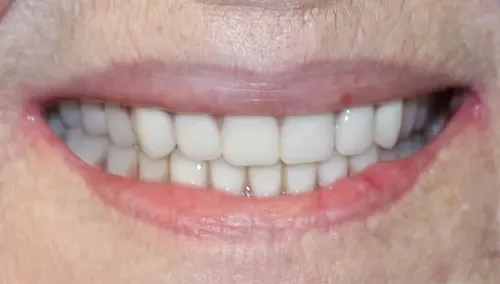
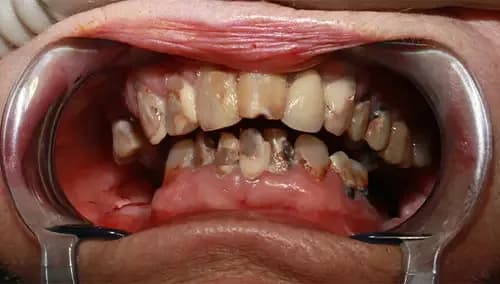
Every one of her teeth was failing. With sedation, the teeth were removed and immediate dentures placed.



Nobody wants a tooth out. When it is the right answer, the part that matters is that it is done calmly, by people who will tell you what is happening, and that there is a plan for the gap before you leave.
Surgical and wisdom extractions in-house
Including impacted teeth, in this office.
Comprehensive Conscious Sedation
Dr. Orr holds the Tennessee Board of Dentistry's permit, so the appointment can be done with IV conscious sedation.
Extra training in oral surgery
Dr. Orr took additional rotations in Oral Surgery during his dental education, alongside Endodontics and Pathology.
Most teeth can be saved, and saving one is almost always the better answer. Some situations call for taking it out.
Each name describes how the tooth is reached, not how bad the situation is. A simple extraction is one where the dentist can get hold of the tooth.
The tooth is fully through the gum and can be loosened and lifted out. Numb, usually quick, and most extractions are this.
The tooth is broken at the gum line or still under it, so the gum is opened to reach it and it may be taken out in pieces. Stitches, sometimes.
Often surgical, because of where they sit and which way they are pointing. Both lower ones in the same visit is common.
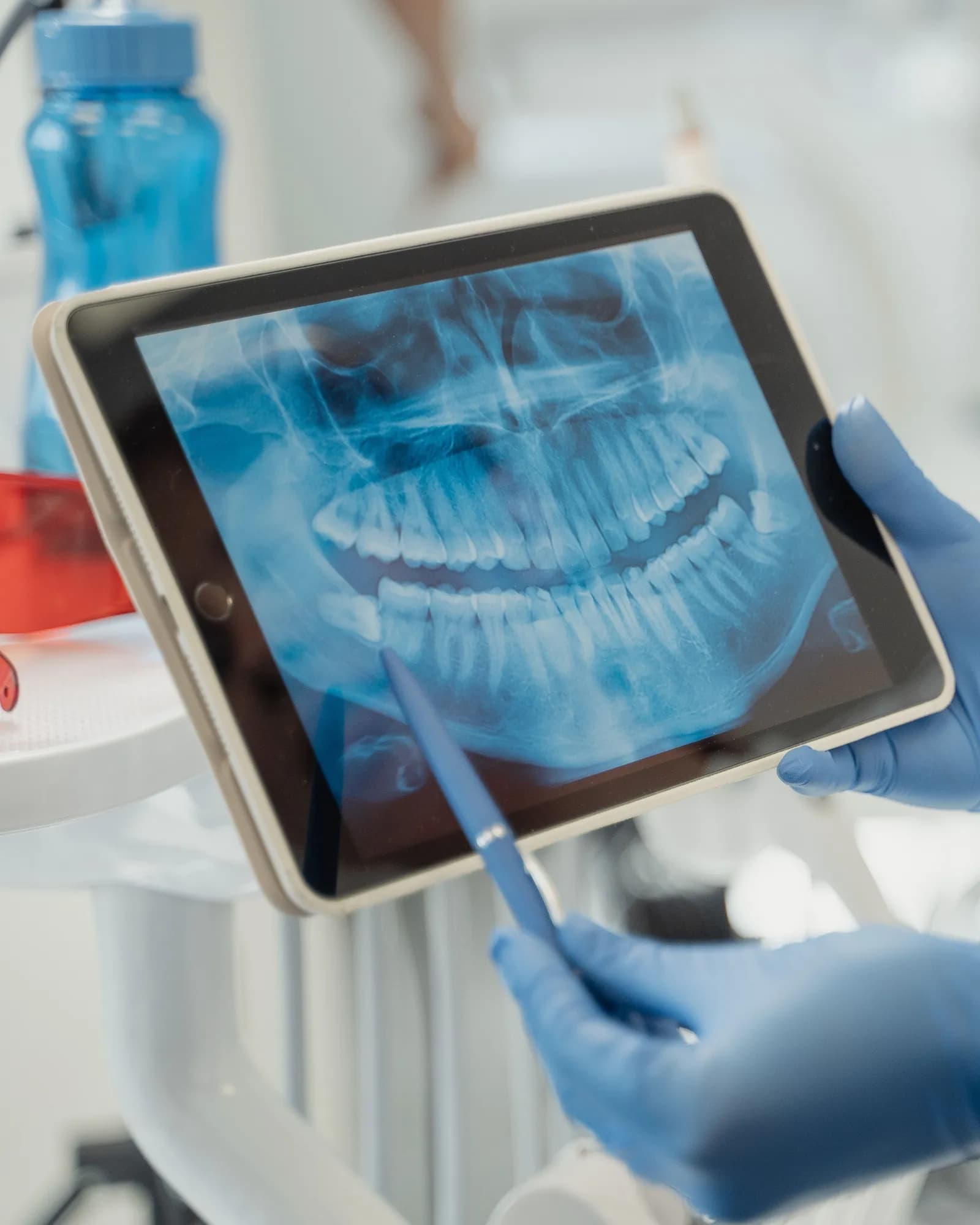
They arrive last and usually without room. Some sit fine and are left alone; some come in at an angle, press on the tooth in front, or only half emerge and trap food under a flap of gum. Which of those is happening is an x-ray question.
When they do need to come out, both on one side, or both lowers, is normally done in one visit.
Most of the recovery is the first three days, and most of what goes wrong in it is a clot that did not stay put.

Bite on the gauze, keep the clot where it is. No rinsing, no straws, no smoking: all three pull at it. Soft food, nothing hot. Some bleeding and swelling is normal.
The swelling peaks and starts down. Warm salt-water rinses now, gently. This is when a dry socket shows up if it is going to: a deep ache that arrives rather than fades. Call us; it is quickly dealt with.
Chewing on the other side, and the socket closing over. Most people are back at work well before this, depending on what they do for a living.
The gum has closed. If it was a tooth you will miss, this is about when the conversation turns to replacing it.
Patients of this practice, shown with their consent.
Every one of her teeth was failing. With sedation, the teeth were removed and immediate dentures placed.
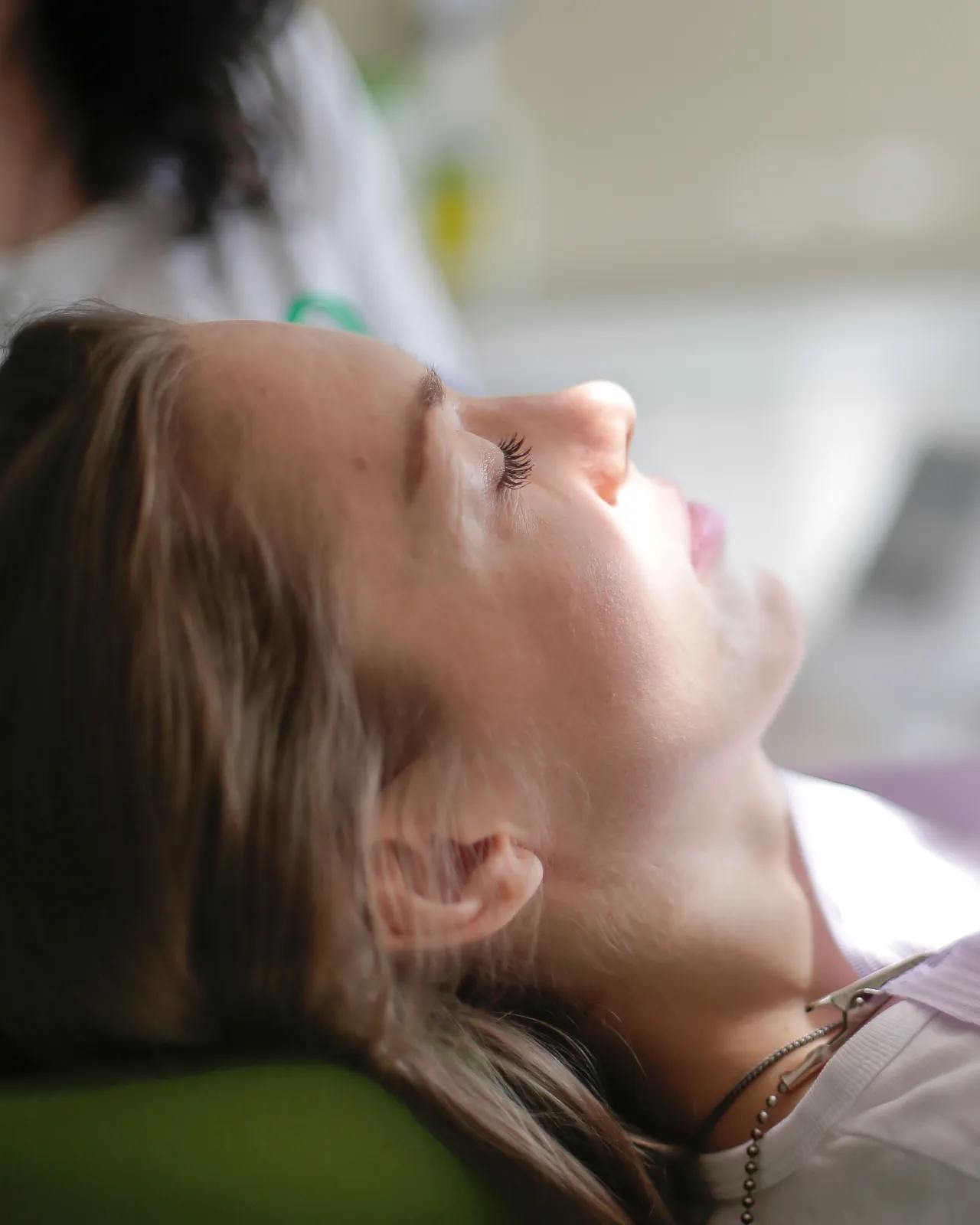
People dread lying there knowing what is happening more than the tooth itself. Dr. Orr holds the Tennessee Board of Dentistry’s permit for Comprehensive Conscious Sedation, which means an extraction here can be done with nitrous, an oral sedative, or IV conscious sedation, chosen with you at a consultation rather than assumed.
You do not have to sit through it wide awake.
Say on the phone that you would like to be sedated for it. It changes how the appointment is planned, not whether it can be.







The appointment itself is done numb, and what people describe afterwards is pressure rather than pain. The part to plan for is the days after, which are sore in the way a bad bruise is sore and settle quickly. If it is the appointment you are dreading rather than the healing, it can be done under sedation.
A clot forms in the socket and protects the bone underneath while it heals. A dry socket is what happens when that clot comes away early, and it announces itself as a deep ache two or three days in, an ache that arrives rather than one that is fading. The three things that dislodge it are rinsing too early, drinking through a straw and smoking. If it happens, call us rather than waiting it out; it is quickly dealt with.
Soft and cool for the first day: yoghurt, eggs, soup that has gone lukewarm, mashed potato. Nothing through a straw. Chew on the other side, and build back towards normal food over the week as it stops being tender. Hot, crunchy and seedy are the three to leave until last.
It depends on the job and on whether the extraction was simple or surgical. The day of the appointment at minimum, and the whole day if you were sedated, because you will not be driving. Desk work is usually fine the next day; heavy lifting and anything strenuous is best left another day or two, because it raises the pressure in your head and that is what the clot does not want.
It depends on whether it is simple or surgical, how many teeth are coming out, and whether you want it done under sedation. Insurance usually covers some of it. There is no figure worth quoting before someone has looked at the tooth. Call the office and we will go through what yours involves.
How many come out in one visit depends on where they sit, which way they are angled, and how you would rather do it. Both on one side, or both lowers, is a common way to split it so you can still chew. It is decided with you at the consultation rather than set in advance.
Extractions are usually covered in part, and how much depends on your plan and on whether the extraction is simple or surgical. We will do our best to check yours before the appointment, but please bring your plan details, and the patient is ultimately responsible for the cost. Insurance details are on our patient information page.
Patient information